Santiago Cordoba Yoval 301
Trap music is not based on traditional instruments played live, but rather on digital music production.
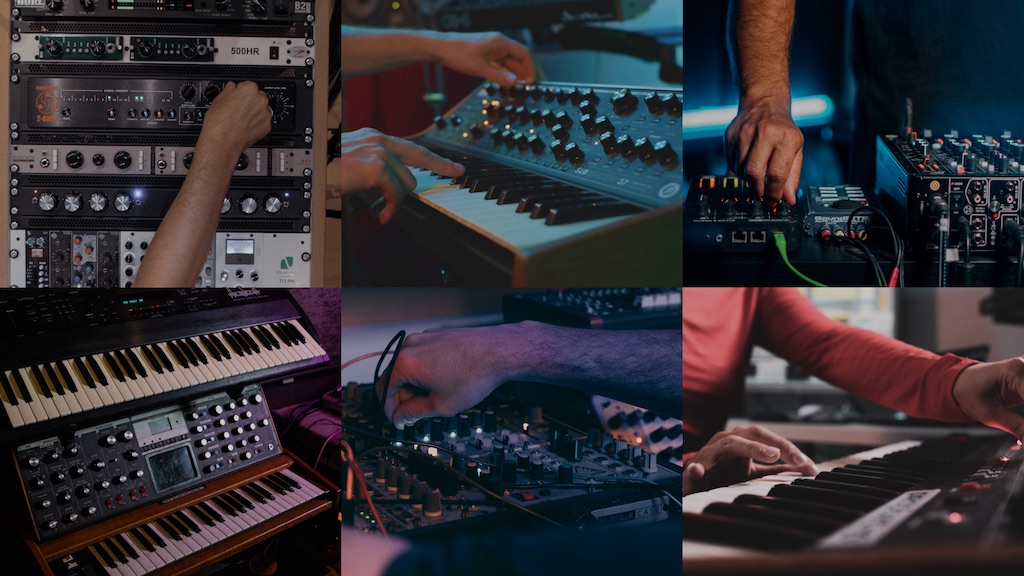
MAIN ELEMENTS
- 808 Bass:
Very deep and long bass sounds that are felt more than heard. They represent power and energy. - Programmed Hi-Hats:
Fast rhythms with repetitions and variations that add movement and dynamism. - Snare and Clap:
They mark the main beats of the rhythm, usually at regular intervals. - Synthesizers:
Used to create dark, melancholic, or aggressive atmospheres. - Drum Machines and DAWs:
Software such as FL Studio or Ableton Live is used to produce tracks. - Auto-Tune and Vocal Effects:
Used to correct vocals and give them a melodic and futuristic style. - Samples:
Fragments of other songs or urban sounds (sirens, voices, sound effects).
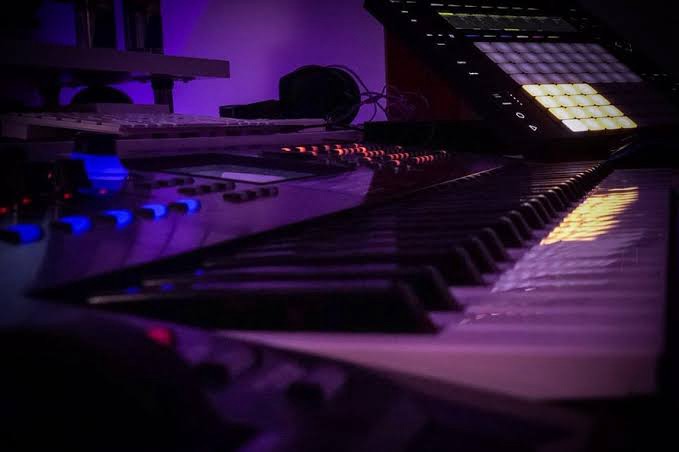
TRAP FASHION AND AESTHETIC
Clothing is a form of expression and reflects social and cultural identity.
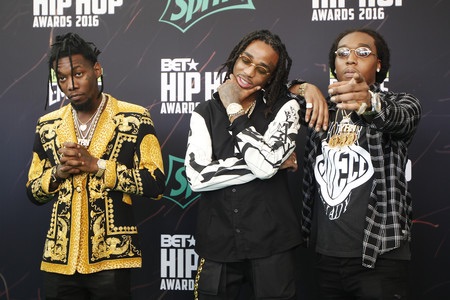
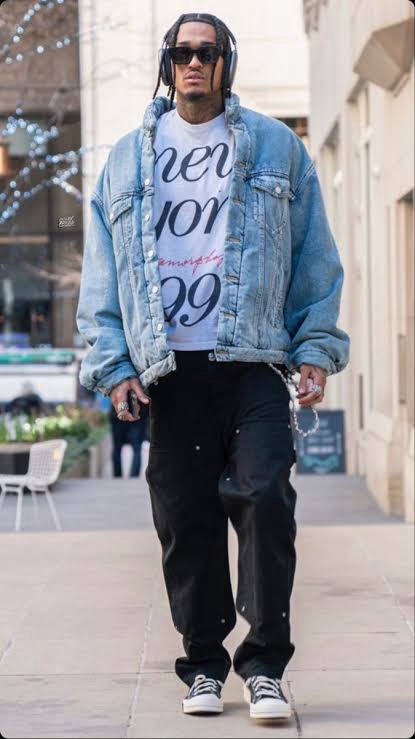
CLOTHING AND ACCESSORIES
- Hooded sweatshirts (hoodies)
- Long, oversized T-shirts
- Cargo pants, joggers, or ripped jeans
- Branded sneakers (Jordan, Yeezy, Nike, Adidas)
- Large chains, watches, and rings
- Caps, bandanas, or balaclavas
- Dark sunglasses and crossbody bags
VISUAL STYLE
- Dark colors (black, gray, military green)
- Bold and eye-catching prints
- Influence of urban luxury (a mix of street style and high-end brands)
CULTURAL CONTEXT OF TRAP
- It originated in urban neighborhoods in the United States, especially in Atlanta.
- It expresses social realities such as:
- Street life
- Social issues
- Ambition, success, and self-improvement
- In Latin America and Spain, trap adopted more personal, emotional, and youth-oriented themes.
- It is a form of identity and protest, especially among young people.
ATTITUDE AND MESSAGE
Trap conveys:
- Rebellion
- Authenticity
- Freedom of expression
- Social criticism or personal experiences
 Melodies Through Times