Rebeca Hernández Mendoza
It emerged mainly in Atlanta, Georgia, in the late 90s and early 2000s.
The word «trap» comes from street slang and was used to refer to trap houses, places where drugs were sold. Therefore, the trap lyrics spoke of:
•Life in slums
• Social problems
• Violence, drugs and survival
• Success from poverty
When trap began to gain popularity, society received it with a lot of controversy. For many sectors it was seen as a negative or dangerous genre, because its lyrics spoke openly about drugs, violence, easy money and explicit sexuality. Parents, schools and traditional media criticized him for considering that he normalized harmful behaviors.
On the other hand, for young people from marginalized neighborhoods, trap became a form of identification and expression. It represented a reality that other genres avoided showing. More than promoting those lifestyles, many artists defended that trap reflected what was lived, functioning as a social denunciation and a creative outlet.
Some of the artists who helped define American trap were:
• T.I. (who popularized the term)
• Gucci Mane
• Young Jeezy
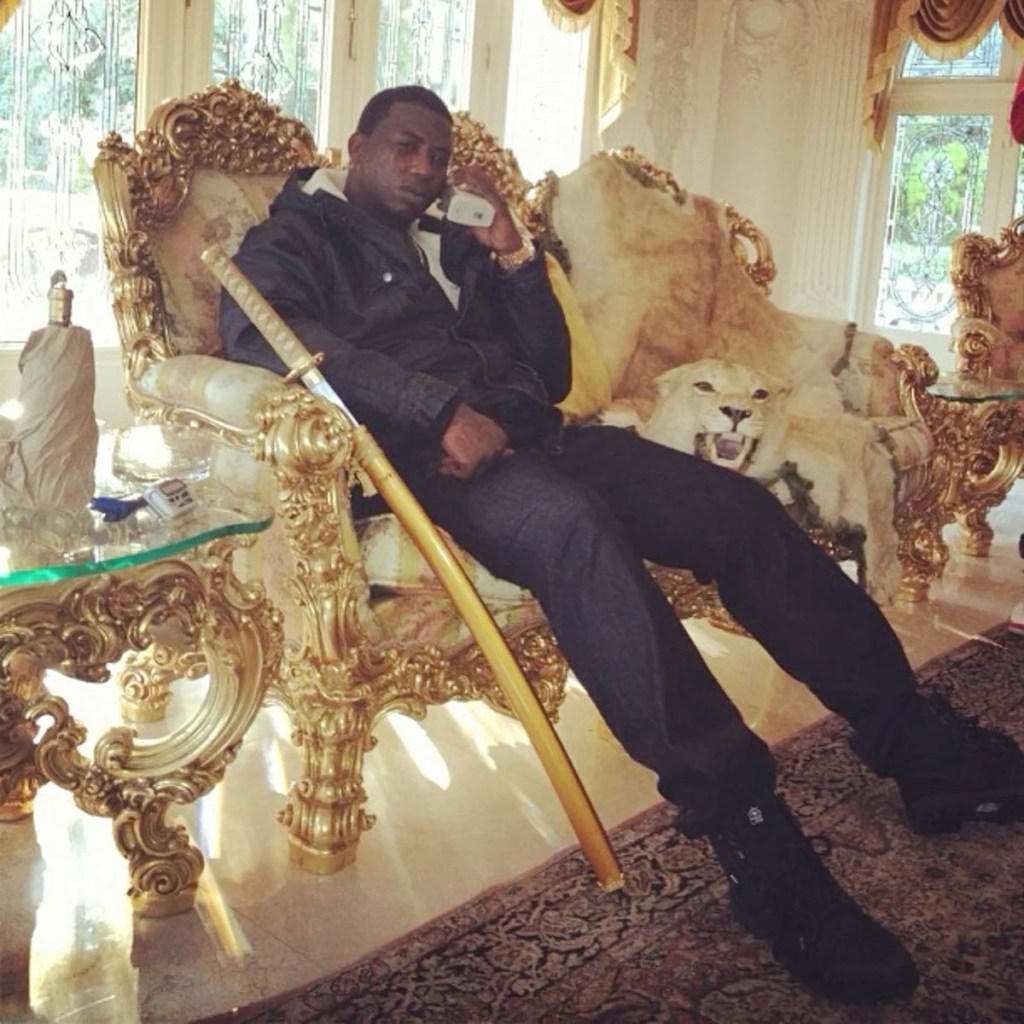
Over time, trap expanded to other countries and mixed with local styles. In Latin trap, which emerged around 2015, it was combined with reggaeton and Spanish lyrics. Featured artists:
•Bad Bunny
•Arcangel
•Anuel AA
•Duki
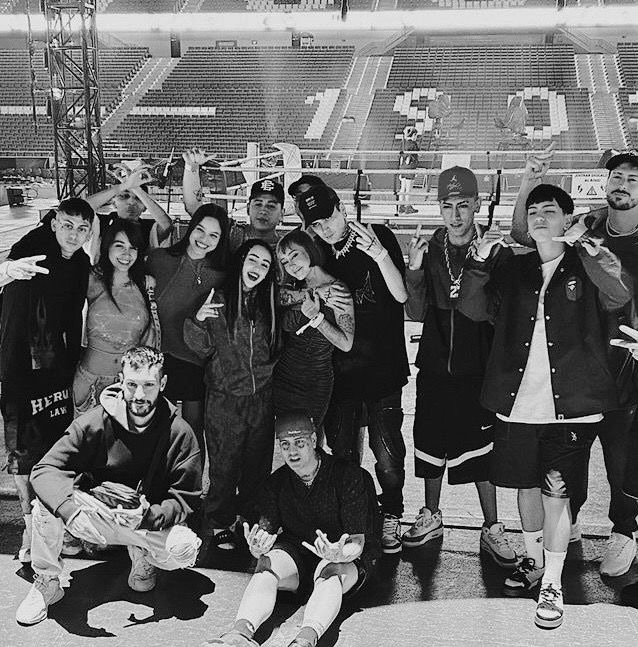
Over time, the trap went from being rejected to partially accepted. Although it is still criticized, today it is recognized as a cultural phenomenon that reflects real social problems and the transformation of urban music.
 Melodies Through Times