Santiago Cordoba Yoval
MAIN CHARACTERISTICS OF SALSA MUSIC
Salsa is much more than just a music genre or dance style—it’s a vibrant cultural expression that combines rhythm, passion, and tradition. Born from the fusion of various Afro-Caribbean genres, its infectious energy and rich musicality have made it a symbol of Latin identity around the world.
MULTICULTURAL ORIGINS
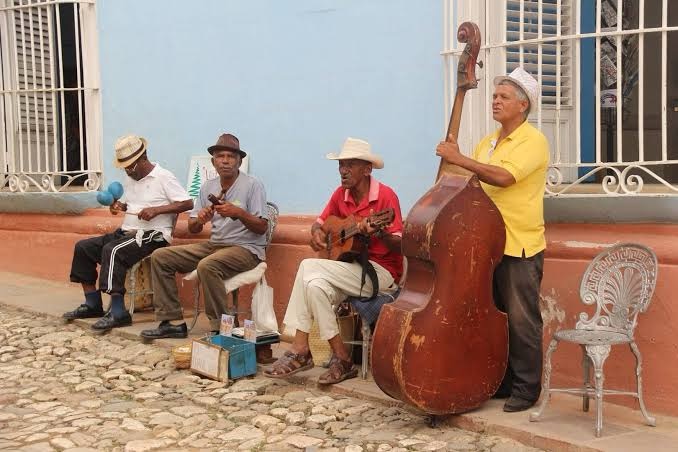
Salsa has its roots in the Caribbean, especially in Cuba and Puerto Rico, but it flourished in New York City during the 1960s and 1970s. Its evolution resulted from the blend of rhythms such as Cuban son, rumba, mambo, guaguancó, and Latin jazz.
RHYTHM AND TEMPO
The rhythm of salsa is its most distinctive feature. It’s based primarily on a 4/4 time signature, with a strong presence of the clave—a two- or three-beat rhythmic pattern that serves as a guide for both musicians and dancers. The tempo can range from moderate to very fast, depending on the style and interpretation.
CHARACTERISTIC INSTRUMENTATION
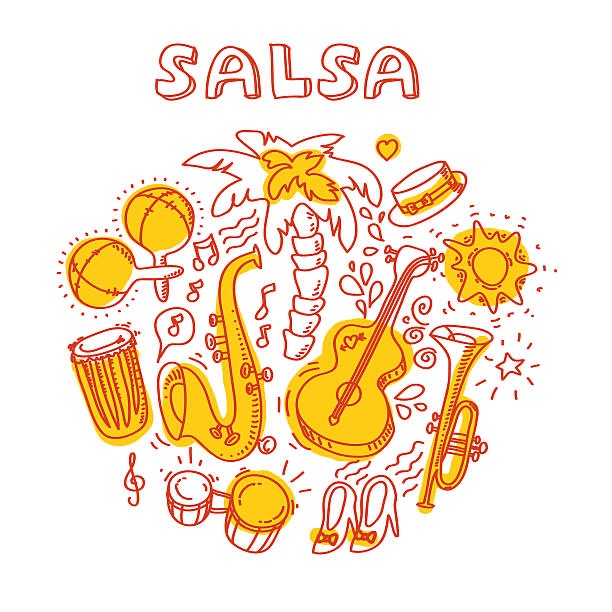
Salsa is known for its rich combination of percussion, wind, and string instruments. Some of the most iconic include timbales, congas, bongos, maracas, trumpets, trombones, piano, and bass, creating a powerful, joyful, and danceable sound.
LYRICS FULL OF EMOTION
Salsa lyrics often reflect everyday life, love, heartbreak, joy, and the struggles of the Latin people. In many cases, they also serve as a form of protest or social expression, blending rhythm with meaningful messages.
DYNAMIC AND EXPRESSIVE DANCE
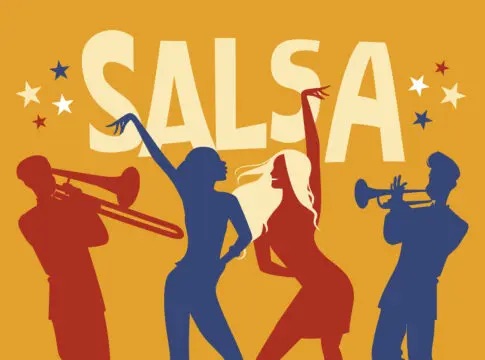
Salsa dancing is as passionate as its music. It’s characterized by quick footwork, spins, coordination, and sensual movements. There are several dance styles—such as the Cuban style, Puerto Rican style, Cali style, and linear styles (Los Angeles and New York)—each with unique techniques and energy.
VARIETY OF STYLES
Over time, salsa has evolved into various subgenres such as romantic salsa, hard salsa (salsa dura), salsa choke, and timba, demonstrating its ability to adapt to new generations and cultural contexts.
CULTURAL AND GLOBAL IMPACT
Today, salsa transcends borders. It’s a global cultural phenomenon found on every continent, with international festivals, dance academies, and renowned performers who keep the tradition and innovation of this genre alive.
 Melodies Through Times